Using an S-125 Neva/Pechora surface-to-air missile, a Yugoslav Army unit (the 3rd Battalion of the 250th Air Defense Missile Brigade, led by Colonel Zoltán Dani) downed an F-117 Nighthawk stealth aircraft of the United States Air Force on March 27, 1999, during NATO bombing of Yugoslavia. The pilot safely ejected, and U.S. Air Force PJs conducting search and rescue saved him.
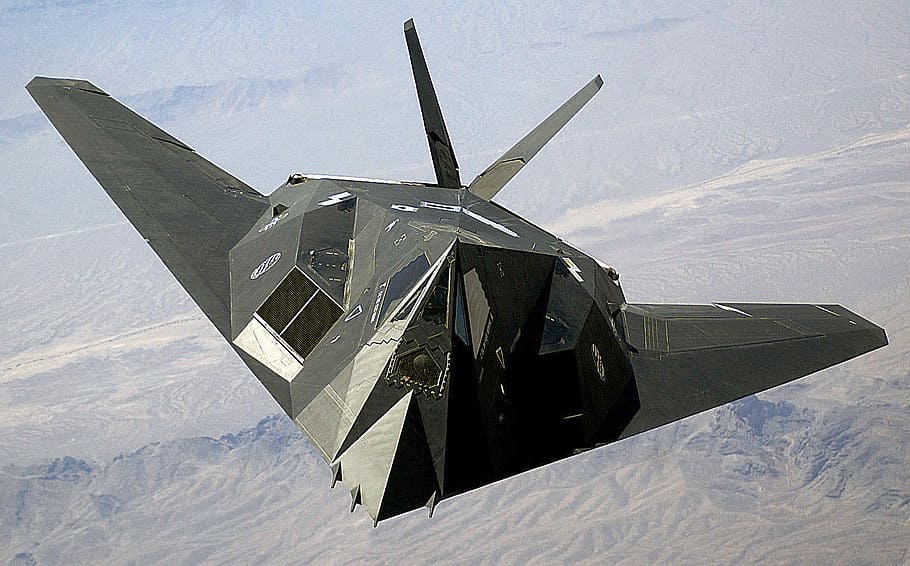
The F-117, the first operational aircraft to be designed employing stealth technology, entered service with the U.S. Air Force in 1983. In contrast, the Yugoslav air defences were viewed as rather dated technology. An F-117A pilot claimed in an interview in 2020 that his wingman's F-117A had been damaged by a Yugoslav surface-to-air missile sometime after the 27 March event, but that it had managed to return to base. He further emphasised that the F-117A was "low observable, not invisible." According to some claims, the third battery of the 250th Air Defense Missile Brigade—the same SAM battery that downed the first F-117—committed this second event as well.
Under the direction of Lt. Colonel (later Colonel) Zoltán Dani, the 3rd Battalion of the 250th Air Defense Missile Brigade of the Army of Yugoslavia shot down an F-117 Air Force serial number 82-0806 with the callsign "Vega 31" on March 27, 1999. The Yugoslav variant of the Soviet Isayev S-125 "Neva" missile system was used by an Army of Yugoslavia unit.
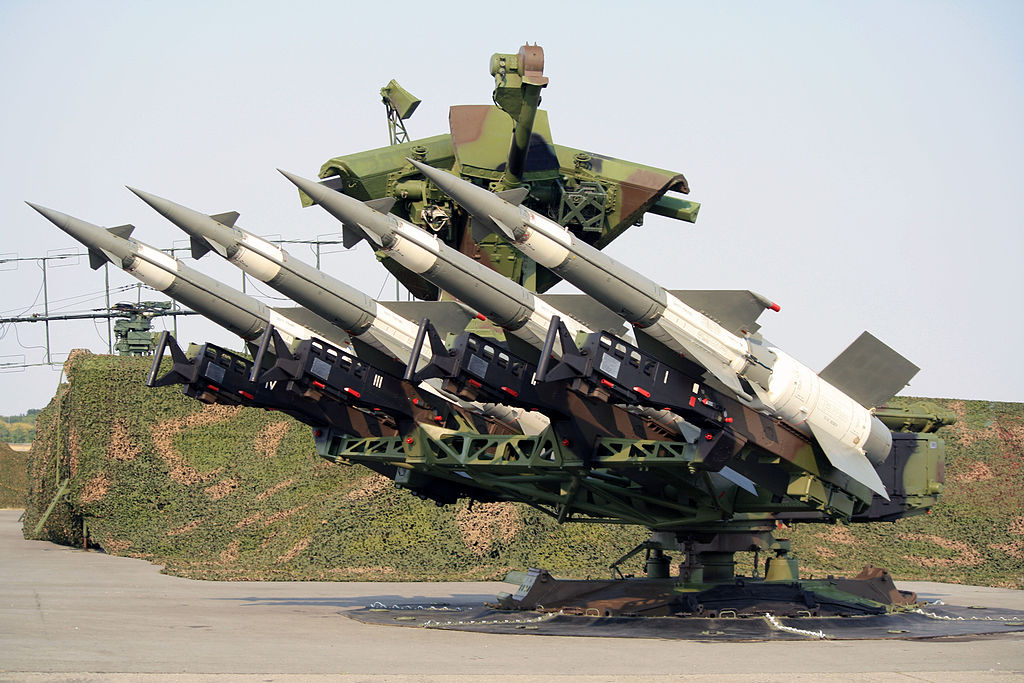
Several missiles were launched at around 8:15 p.m. local time, with a range of around 8 miles (13 km). In order to avoid being locked on by NATO anti-air suppression, they detected the F-117 at a distance of around 23 kilometres, running their equipment for little longer than 17 seconds, according to Lieutenant Colonel Ore Anii, who was recognised in 2009 as the soldier who fired the missiles.
Lt. Col. Darrell Patrick "Dale" Zelko (born 1 January 1960), a veteran of Operation Desert Storm, was piloting the F-117, designated "Vega-31." The two missiles could be seen heading directly for his aircraft as they broke through the low cloud cover. The first one went over him and was close enough to buffet him but did not explode. The second missile exploded close, its boom and shrapnel seriously damaging the aircraft and sending it careening out of control. A KC-135 Stratotanker flying over Bosnia could see the explosion because it was so enormous.
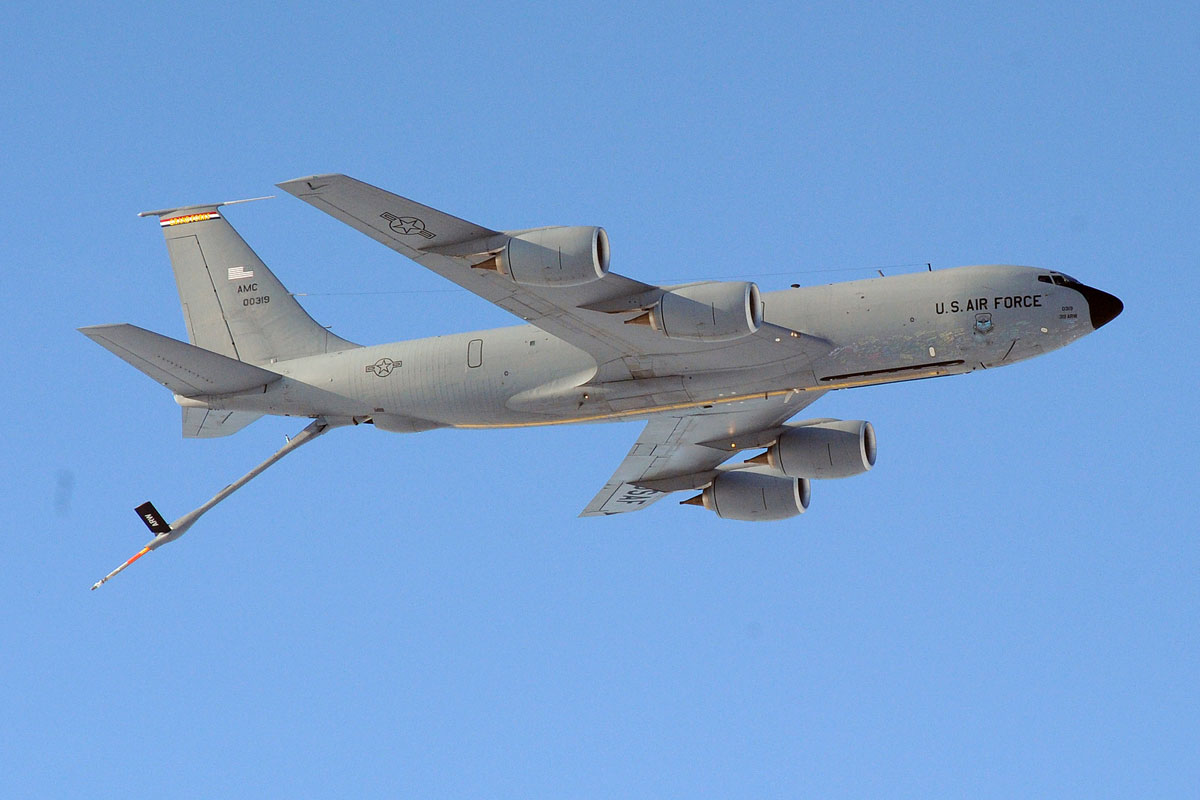
Zelko struggled greatly to assume the proper stance for ejecting as the aircraft tipped over, subjecting him to strong g-forces. He was able to get in touch with the KC-135 that had spotted him being shot down after his parachute detonated by using the mayday function on his survival radio. Despite being against his instruction, Zelko continued to drop while using his survival radio. He reasoned that from this height, his signal would have the greatest potential range. He also wanted to make sure he was safe because he knew he would soon be captured by Yugoslav soldiers on the ground. Zelko made his landing in a field about a mile south of European Route E70, a four-lane highway, and south of Ruma. While descending, he quickly found a drainage ditch that would make a good hole in the wall.
He experienced the shock waves caused by NATO B-2 bombers dropping bombs on targets outside of Belgrade while he was there. Zelko landed about a mile from the crash site of his aircraft, and the Yugoslav soldiers, police, and local residents immediately began a thorough search of the area. The ditch he was hiding in was formerly just a few hundred meters away from the searchers.
.jpg/220px-F-117_Canopy_(shot_down_over_Serbia_1999%2C_Museum_of_Aviation%2C_Belgrade).jpg)
By a U.S. Air Force combat search and rescue team operating out of a Sikorsky MH-53 helicopter in the small hours of the following morning, Zelko was recovered about eight hours later. Zelko claimed that he would discover afterwards that he had been minutes from from being apprehended.
Due to the fact that the name "Capt Ken 'Wiz' Dwelle" was painted on the aircraft's canopy, he was initially misidentified in press reports. The lost F-117, known as "Something Wicked," had previously performed 39 sorties during Operation Desert Storm in the Persian Gulf War. Additionally, on May 2, 1999, the 250th Air Defense Missile Brigade downed a US Air Force F-16 jet flown by David L. Goldfein, who would later become the US Air Force Chief of Staff.
ABOUT THE PLANE
The Serbian Museum of Aviation in Belgrade has some of the F-117's debris preserved. During the NATO air campaign, the Serbian warlord Arkan showed a little rubber component of the plane to foreign journalists as "a keepsake." 2008 saw the USAF retire its F-117 aircraft. Dale Zelko, who is now retired from the U.S. Air Force, and Zoltán Dani, who is currently operating a bakery, first met in 2011. Since then, a friendship has grown between them.
An F-117A pilot claimed in 2020 that his wingman's F-117A was damaged by a Yugoslav surface-to-air missile following the incident on March 27, 1999, but it was still able to land at the base. Only a few details of this occurrence, have been made public.
The airframe of the airplane was virtually unharmed, and photographs demonstrate that it impacted the ground inverted and at a moderate speed. Analysts and pilots were shocked when the US decided not to try to destroy the debris. The military announced the existence of the F-117 in 1988, and the aircraft frequently made appearances at air shows. It was built using technologies from the 1970s. According to General Bruce A. Carlson, the consequences of Serbia giving the debris to Russia would be negligible.